
Defendant Name: Swat Nixon
Defendant Phone: 216-4573
(( Defendant Discord: swatnixon ))
(( Defendant Timezone: gmt-6 ))
Type of Representation (Pick one): Public Defender
Defendant Phone: 216-4573
(( Defendant Discord: swatnixon ))
(( Defendant Timezone: gmt-6 ))
Type of Representation (Pick one): Public Defender

Charging Department: LSPD

Date & Time of Incident(s): 19/04/2026 NA
Charge(s):
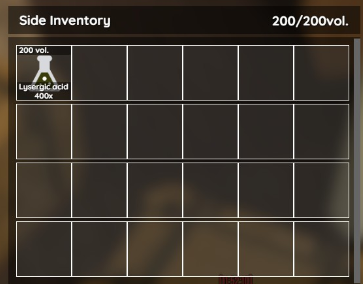
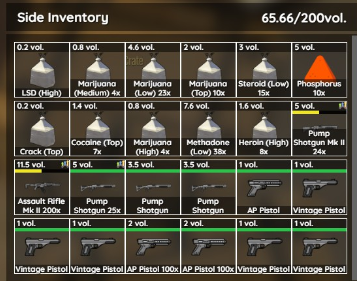
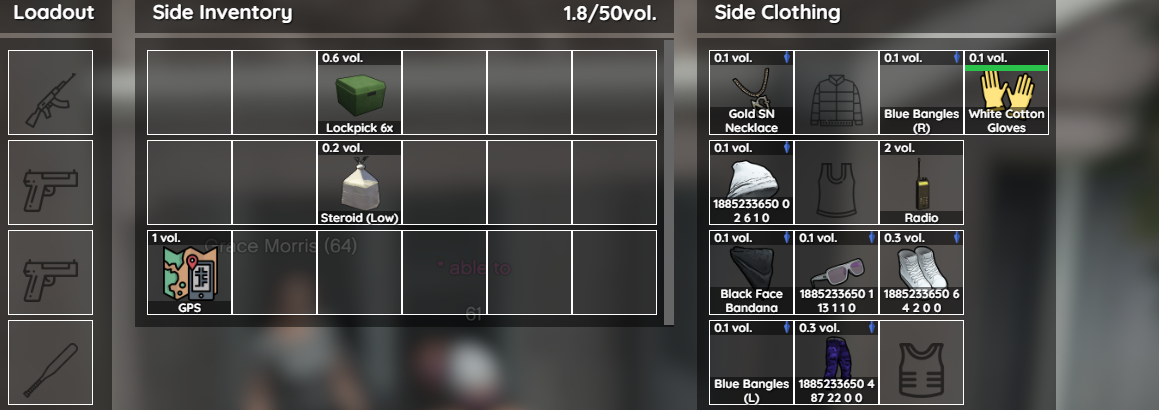
I was driving recklessly down a street when i accidentally crashed into a traffic stop, the officers told me to get out guns drawn, i fled the scene, no id shown and my face was covered, I was not being pursued or followed and had nothing illegal on me and I pull up to my house and see a d5 sitting there with 2 obvious officers, I walk around a bit see if there going to do anything to which they do not so i proceed inside, when i come outside there's a cul-de-sac full of cops there to arrest me, they proceed to raid my house stating they were actively pursuing me and i ran inside when they didn't pursue me at all and entrapped me to go into my house, also raiding my house they took radios, gps, crates, waters, bags, and more of which didn't even contain any illegal items, regardless if the claim of the raid is found to be accurate I was robbed by PD. If they were pursuing me the 2 officers in the car would've tried to stop me instead they sat there and waited for no reason, they just wanted a reason to go inside an unlawful one.
I, Swat Nixon, hereby affirm that all information provided above is true and correct to the best of my knowledge, and understand that knowingly providing false information could result in additional charges and/or fines. (( I affirm that all information submitted has been obtained via In-Character means. ))
Charge(s):
- Illegal firearm class 1 2 and 3, Illegal narcotics schedule 1 2 and 3, weapon attachments, illegal body armor
I was driving recklessly down a street when i accidentally crashed into a traffic stop, the officers told me to get out guns drawn, i fled the scene, no id shown and my face was covered, I was not being pursued or followed and had nothing illegal on me and I pull up to my house and see a d5 sitting there with 2 obvious officers, I walk around a bit see if there going to do anything to which they do not so i proceed inside, when i come outside there's a cul-de-sac full of cops there to arrest me, they proceed to raid my house stating they were actively pursuing me and i ran inside when they didn't pursue me at all and entrapped me to go into my house, also raiding my house they took radios, gps, crates, waters, bags, and more of which didn't even contain any illegal items, regardless if the claim of the raid is found to be accurate I was robbed by PD. If they were pursuing me the 2 officers in the car would've tried to stop me instead they sat there and waited for no reason, they just wanted a reason to go inside an unlawful one.
I, Swat Nixon, hereby affirm that all information provided above is true and correct to the best of my knowledge, and understand that knowingly providing false information could result in additional charges and/or fines. (( I affirm that all information submitted has been obtained via In-Character means. ))